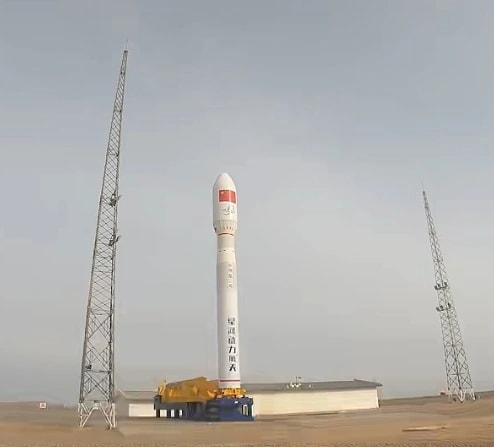
CERES-2
Accident Description
At 12: 8 on January 17, 2026, Beijing time, Ceres-2 private commercial launch vehicle was ignited and lifted off at Jiuquan Satellite Launch Center. The rocket flight was abnormal, and the first flight test mission failed
Timeline
- Jan 17, 2026
Galactic Energy apologized and said it would make every effort to find out why
- Jun 15, 2026
Galaxy Space Aerospace announced that the Ceres-2 (Yaoyi) launch vehicle has successfully completed its flight failure investigation review.
Final Report
The review conclusion explicitly stated that the issue originated from the rear support structure of the first-stage engine's segmented throat insert.
Simply put, the throat insert is a critical component within the rocket engine nozzle, designed to withstand the erosion of high-temperature gas. Due to an insufficient design margin in the support structure, the rear section of the throat insert shifted during operation, creating a gas pathway between it and the forward section. This allowed high-temperature gas to intrude into the back wall of the throat insert, leading to severe thermal erosion (burn-through), which ultimately caused structural failure of the nozzle and a complete loss of rocket thrust.
Next Steps: Galactic Energy stated that the company will conduct a series of engine reliability growth tests to ensure the success of the upcoming return-to-flight mission. Concurrently, the company has implemented comprehensive quality enhancement measures covering the entire lifecycle, including design, manufacturing, testing, and launch.
If the information is incorrect or there are latest updates, please contact supervisor@spacelaunching.org