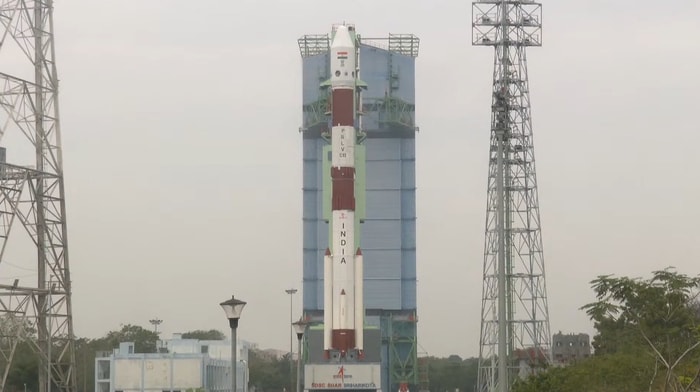
Indian PSLV-C62 Launch Failed
Accident Description
The Indian Space Research Organization (ISRO) launched its mission on January 12. The rocket carried the main star EOS-N1 hyperspectral imaging satellite (for defence monitoring) and 15 small commercial/scientific research satellites. However, the mission experienced severe anomalies during the combustion phase of the third stage (PS3), resulting in a failure to put the satellite into its intended orbit, marking a rare failure for this type of rocket
Timeline
- Jan 12, 2026
"The performance of the aircraft was in line with expectations before the end of the third stage, after which we found more perturbations in the rolling rate of the aircraft and subsequent deviations in the flight path. We are analyzing the data and will publish the results as soon as possible," the ISRO chairman said.
Final Report
Final Report Submission (Mid-March) The internal report was submitted to the Prime Minister's Office (PMO) of India. Late March: Core conclusions were informally disclosed to the media (full report not published).
- Direct Technical Cause Seal failure and structural damage occurred in the flexible nozzle of the 3rd-stage solid rocket motor (S‑7) during the final phase of combustion. Mechanism: In the final combustion phase, high-temperature, high-pressure propellant gas leaked into the nozzle gimbal seal system. The leakage generated side forces (lateral moments) that instantly exceeded the attitude control system’s correction capability. This triggered uncontrolled roll, violent tumbling, and a catastrophic drop in combustion chamber pressure. Root Causes: Internal defects in the propellant grain (microcracks, voids, unevenness). Abrupt changes in burning surface area during the final phase, causing local thermal shock overload. Insufficient thermal and pressure margin in the nozzle throat liner and sealing components.
- Systemic Causes (Management & Process) Incomplete corrective actions after C61 failure: Only seals were replaced; propellant grain manufacturing and quality control were not fully re‑evaluated. Schedule pressure & rushed development: Insufficient testing to meet the "2026 first launch" target. Degraded supply chain quality control: Subcontracting of some processes without strict aerospace‑grade quality assurance.
If the information is incorrect or there are latest updates, please contact supervisor@spacelaunching.org