NASA Tests New Refueling Device for Future In-Space Missions
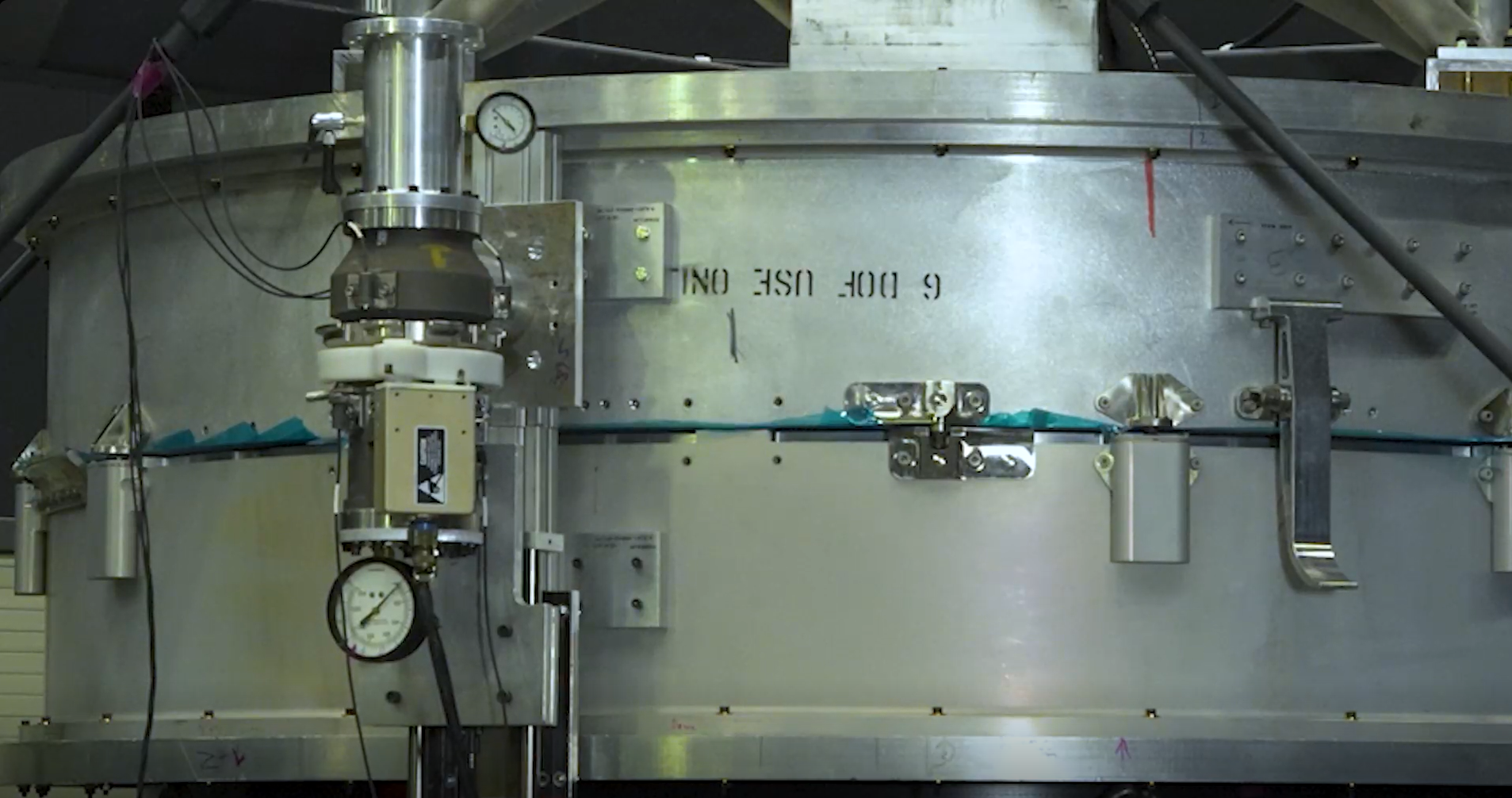
Engineers from NASA's Marshall Space Flight Center and L3Harris have conducted operational testing on a developmental cryocoupler, a vital technology for future in-orbit spacecraft refueling. The device must reliably transfer cryogenic fluids at temperatures as low as minus 321 degrees Fahrenheit without losing propellant or performance.
Space Gas Stations
For NASA's next generation of deep space exploration missions, spacecraft may need to refuel in Earth orbit before pushing farther into the solar system. Similar to how a gas pump needs a nozzle to fit a fuel tank, future spacecraft would require a cryocoupler to connect to orbital propellant depots—the gas stations of space.
The technology faces a fundamental challenge: transferring cryogenic propellants like liquid hydrogen and liquid oxygen while maintaining extreme cold temperatures. These propellants must stay chilled to hundreds of degrees below zero Fahrenheit, placing strict demands on materials, seals, and mechanisms.
An Unsolved Engineering Challenge
"In-orbit cryogenic refueling between two spacecraft has yet to be done and remains one of the toughest engineering challenges in spaceflight," said Travis Belcher, cryocoupler project manager at NASA's Marshall Space Flight Center. "These propellant transfers are essential for the kinds of missions NASA wants to fly in the future, so developing a coupler that can handle ultra-cold propellants is a critical step toward making that capability real."
Ground-based couplers used for the Space Launch System (SLS) on Artemis missions are not suitable for orbital transfers. Those couplers release quickly during launch and must be manually reconnected. They are not designed for the harsh space environment and are much larger than what would be needed for an orbiting spacecraft.
Testing Program
The NASA and L3Harris team conducted two types of tests at Marshall:
Thermal testing: Liquid nitrogen at minus 321 degrees Fahrenheit was run through multiple connected and disconnected configurations to observe how the coupler reacts to thermal contraction, flow, and significant temperature differences.
Operational testing: One coupler half was mounted to a robotic table that could move and rotate in any direction, simulating misaligned docking scenarios. The cryocoupler is designed to accommodate some misalignment and to attach and detach multiple times in a fully automated manner, eliminating the need for astronaut spacewalks.
Collaborative Development
The cryocoupler testing was conducted as part of a 2022 Announcement of Collaboration Opportunity (ACO), a partnership where NASA centers provide select companies with expertise, facilities, hardware, and software at no cost. The Cryogenic Fluid Management Portfolio project, a cross-agency team based at Marshall and NASA's Glenn Research Center, oversees cryocoupler development.