佛罗里达初创公司将核电池送入轨道,测试太空持久供电新方案
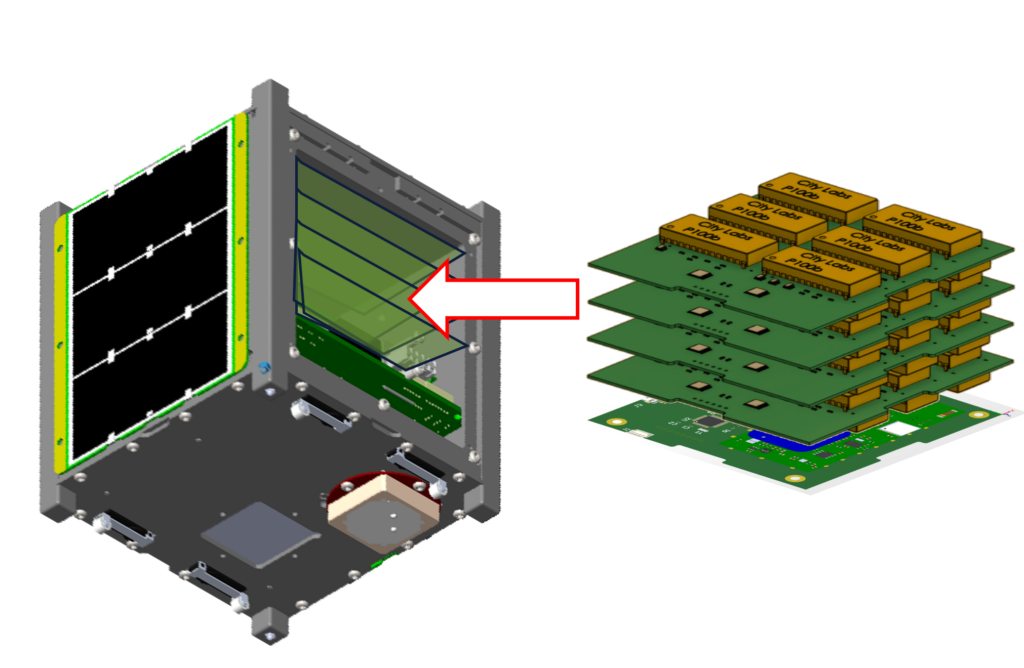
佛罗里达初创公司City Labs的BOHR(Betavoltaic Orbital High-Reliability)立方星已于7月7日搭载SpaceX Transporter-17拼车任务进入轨道,这是全球首次商业核动力卫星技术的在轨验证。该任务旨在测试一种不依赖太阳能的持久供电方案。
BOHR卫星上的核心部件是City Labs自主研发的NanoTritium氚基贝塔伏特电池。这种电池利用氚(氢的放射性同位素)衰变释放的能量直接产生微量电力——输出在微瓦级别而非瓦级别,不适合为整颗卫星供电,但对需要连续运行数年的低功耗电子设备来说极具价值。
值得注意的是,BOHR卫星本身并非完全依靠核能运行:卫星平台使用常规太阳能电池板,而NanoTritium系统独立为被测试的有效载荷供电。任务目标是验证贝塔伏特电源在轨道环境中的表现,而非替代卫星的主电力系统。
随着NASA Artemis计划将人类送回月球,商业运营商也在寻求近地轨道以外的长期任务能力,对不依赖太阳能的供电系统需求正在增长。City Labs的BOHR是首个应对这一挑战的商业方案。该任务获得了NASA和五角大楼的部分资助,反映了政府对替代太空电源系统的兴趣。
BOHR任务还创造了一项监管纪录:它是首个通过联邦航空管理局(FAA)核发射审批流程的商业核任务,该流程依据国家安全总统备忘录-20(NSPM-20)建立。发射安全分析由City Labs主导,桑迪亚国家实验室独立审核并提供了监管支持。
City Labs表示,公司计划2027年发射氚基放射性同位素加热单元(RHU)的在轨验证。RHU将放射性衰变转化为热能而非电能,用于在长期无阳光环境下(如两周的月球之夜或月球极地永久阴影区内的陨石坑)保持航天器部件、电池和科学仪器不被冻坏。NASA长期以来一直使用钚基RHU进行行星探测任务,而City Labs正在开发基于氚的商业替代方案。
延伸阅读
- Startup testing nuclear battery technology in orbit - SpaceNews
- City Labs Launches World's First Commercial Nuclear-Powered Satellite - City Labs
Florida Startup Launches Nuclear Battery Into Orbit, Testing a New Path for Long-Duration Space Power
Florida-based City Labs on July 7 launched its BOHR (Betavoltaic Orbital High-Reliability) CubeSat aboard SpaceX's Transporter-17 rideshare mission, marking the first in-orbit demonstration of a commercial nuclear-powered satellite technology. The mission aims to validate a power source that could keep spacecraft and autonomous sensors running for years without relying on solar panels.
The core technology aboard BOHR is City Labs' NanoTritium betavoltaic battery, which uses tritium -- a radioactive isotope of hydrogen -- to generate small amounts of electricity through radioactive decay. The output is measured in microwatts rather than watts, making it unsuitable for powering an entire satellite but potentially valuable for low-power electronics that must operate continuously for years.
The BOHR spacecraft itself is not entirely nuclear-powered: the satellite bus runs on conventional solar arrays, while the NanoTritium system independently powers the payload under evaluation. The goal is to validate the betavoltaic power source in orbit rather than replace the spacecraft's primary power system.
As NASA's Artemis program pushes toward a human return to the Moon and commercial operators eye long-duration missions beyond low Earth orbit, demand for power systems that work independently of sunlight is growing. City Labs' BOHR arrives as the first commercial answer to that challenge. The mission is partially funded by NASA and Pentagon contracts, reflecting government interest in alternative space power systems.
The BOHR mission also set a regulatory milestone: it is the first commercial nuclear mission to go through the FAA's launch approval process established under National Security Presidential Memorandum-20 (NSPM-20). The launch safety analysis was led by City Labs and independently reviewed by Sandia National Laboratories.
City Labs says it plans to launch an in-orbit demonstration of a tritium-powered Radioisotope Heater Unit (RHU) in 2027. Unlike BOHR which converts decay into electricity, an RHU generates heat -- used to keep spacecraft components from freezing during extended periods without sunlight, such as the two-week lunar night or inside permanently shadowed polar craters. NASA has long relied on plutonium-powered RHUs for planetary missions, while City Labs is developing a tritium-based commercial alternative.