According to the original schedule, the U.S. planned to carry out the Artemis 2 crewed lunar orbital flight this year, and execute the Artemis 3 crewed lunar landing mission in 2027.
Under the new plan announced on the 27th, the Artemis 3 mission will instead conduct system and operational capability tests in low Earth orbit. The originally planned moon landing will be reassigned to Artemis 4, which is now targeted for 2028.
Under the revised plan, the repurposed Artemis 3 mission will attempt to rendezvous and dock with commercial lunar landers being developed by SpaceX and Blue Origin, and carry out comprehensive in-orbit tests. These will include verifications of the life support, communications, and propulsion systems, as well as tests of the next-generation extravehicular activity suits. NASA will finalize details of the test flight after completing a detailed review with its partners.
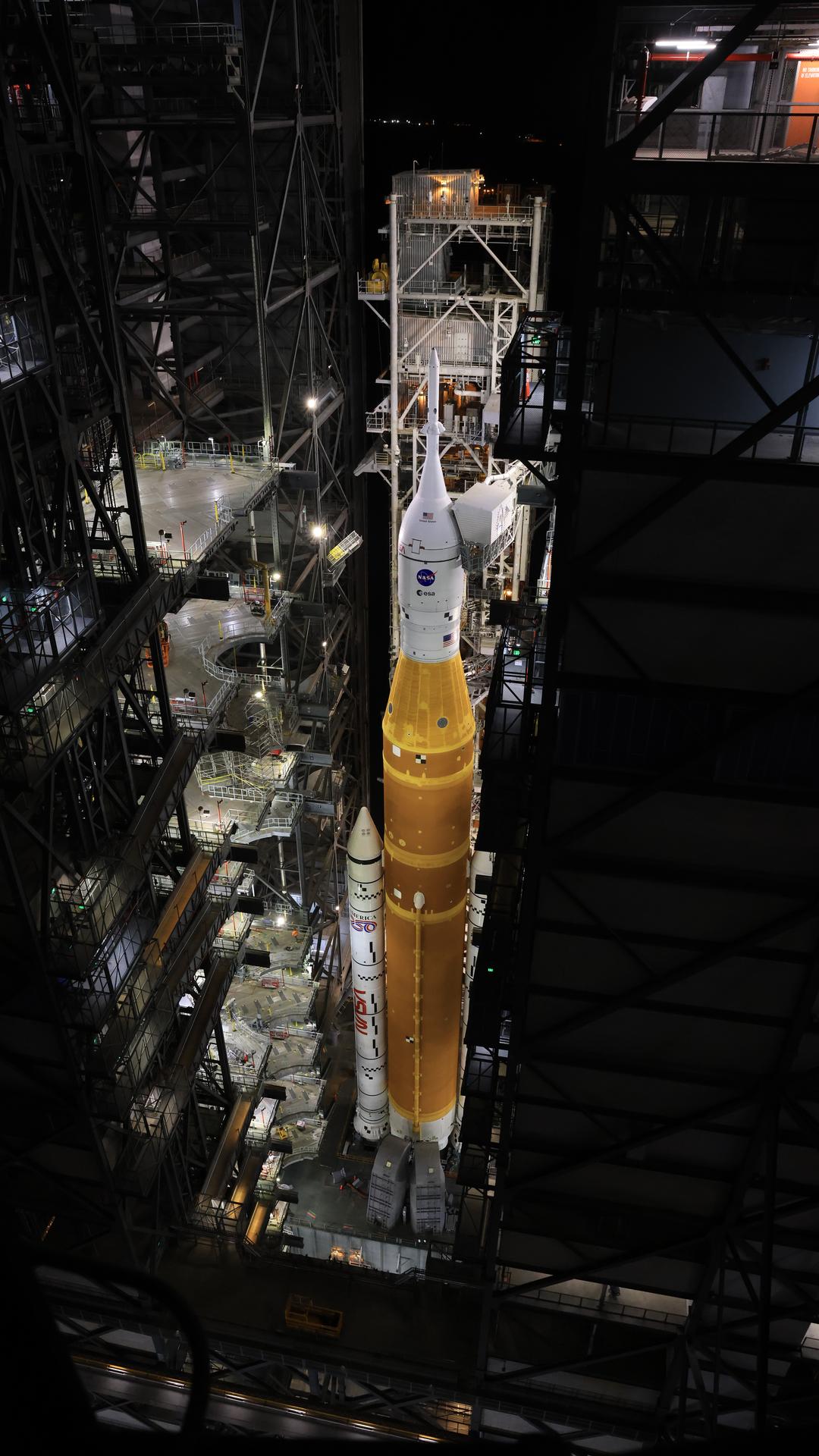
The announcement comes after recent major technical issues with the Artemis 2 crewed lunar orbital mission. Two recent comprehensive rehearsals ended in technical problems, resulting in repeated launch delays. On the 25th, NASA rolled back the Space Launch System (SLS) heavy rocket and the Orion spacecraft from the launch pad to the Vehicle Assembly Building for repairs.
NASA stated that the mission team is addressing an anomaly in the helium supply of the rocket’s upper stage, the Interim Cryogenic Propulsion Stage (ICPS), along with work including replacing flight abort system batteries and conducting full safety inspections.
Artemis 2 is currently tentatively scheduled to launch during a window in April, though the final launch date depends on data analysis and repair progress.
The U.S. announced the Artemis lunar landing program in 2019 and completed the Artemis 1 uncrewed lunar orbital test mission in November 2022. Since then, the timeline for subsequent missions has been adjusted multiple times.