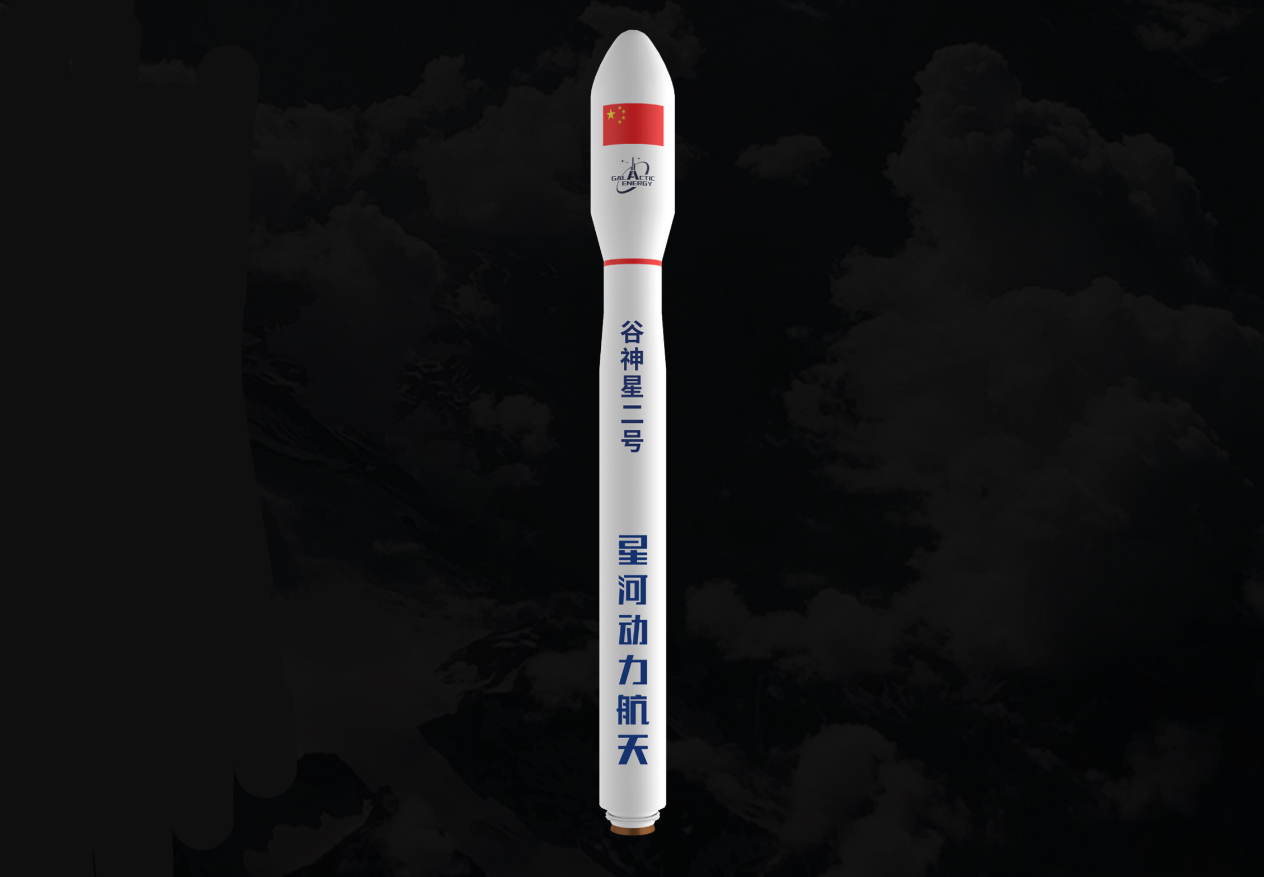
CERES-2 Failure Investigation Concluded, i-Space Identifies Cause of Maiden Flight Loss
June 15, 2026 — Beijing-based commercial launch provider i-Space announced that the CERES-2 launch vehicle has completed its failure review process, clearing a key milestone toward a return-to-flight mission.
What Happened
On January 17, 2026, the CERES-2 rocket lifted off from the Jiuquan Satellite Launch Center on its maiden flight. The vehicle experienced an anomaly shortly after liftoff, and the mission was declared a failure.
Root Cause
The review board pinpointed the problem to the first-stage engine's nozzle throat insert — specifically, an insufficient support structure design in the rear section of the segmented throat liner.
During engine operation, the rear section of the throat insert shifted, creating a gap between it and the front section. Hot combustion gases penetrated through this gap and eroded the backing material, ultimately causing the nozzle structure to fail and the engine to lose thrust.
Review Outcome
The review board concluded that the failure cause has been clearly identified, the failure mechanism is well understood, and the issue has been successfully reproduced through ground testing and simulation. Corrective measures have been validated through static fire tests. The failure investigation is now officially closed.
In Chinese aerospace terminology, this process is called "guiling" (归零) — a comprehensive, closed-loop failure resolution procedure that covers root cause analysis, corrective action implementation, and verification.
Path to Return to Flight
i-Space stated that the company will conduct a series of engine reliability growth tests to ensure the success of the CERES-2 return-to-flight mission. Quality improvement measures have been implemented across the entire workflow, from design and manufacturing to testing and launch operations.
About CERES-2
CERES-2 is the successor to i-Space's CERES-1 solid rocket. The new vehicle uses a three-stage solid propulsion design with a liquid upper stage. With a liftoff mass of approximately 100 metric tons, it is capable of delivering 1,600 kg to a 500 km low Earth orbit or 1,300 kg to a 500 km sun-synchronous orbit.
The rocket supports both sea-based and land-based launch operations, and is designed to achieve launch costs comparable to medium-class liquid rockets in the 200-ton category through technical innovation and system optimization.