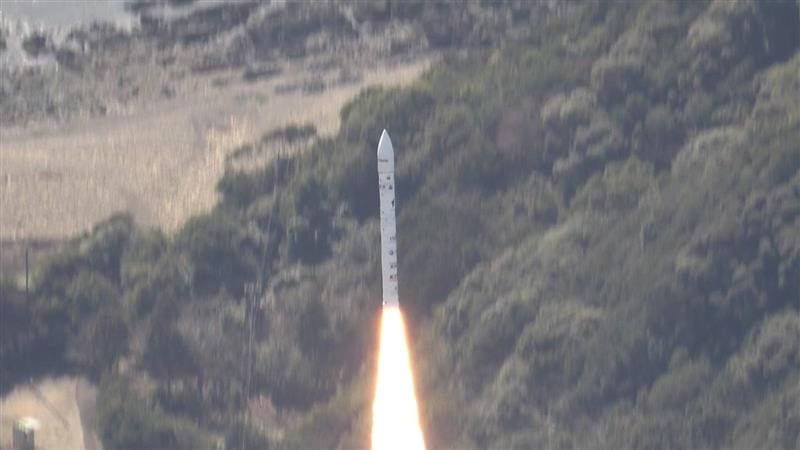
On the morning of March 5, 2026, the launch mission of the KAIROS-3 rocket by Japanese commercial aerospace firm SPACE ONE at the Kii Spaceport in Kushimoto Town, Wakayama Prefecture, ended in failure once more. Moments after liftoff, the rocket lost attitude control, prompting the ground control center to activate an emergency flight termination procedure. This marks the third consecutive launch failure for the KAIROS rocket series, dashing Japan’s private sector’s hopes of independently placing a satellite into orbit yet again.
The ill-fated launch was plagued by setbacks from the start. Originally scheduled for February, the mission had been postponed multiple times due to weather and other factors. A first launch attempt on the morning of March 4 was aborted automatically by the safety system just 30 seconds before liftoff, caused by unstable reception of positioning satellite signals. No malfunctions were found on the rocket after inspections, and the launch window was rescheduled for March 5—only for the mission to end in disappointment once again.
At 11:11 a.m. local time on March 5, the KAIROS-3 rocket ignited and lifted off, but it began spinning violently immediately after takeoff and was completely unable to maintain a stable flight attitude. The ground control center quickly determined that "the mission objectives could not be achieved" and activated the flight termination procedure forthwith, officially declaring the launch a failure. It is reported that the KAIROS-3 was carrying a total of five satellites, including one developed by Taiwan's National Space Organization. This launch was a critical attempt by SPACE ONE to achieve Japan’s first-ever independent satellite orbit insertion by a private enterprise, and its failure has pushed this long-sought goal even further out of reach.
The shadow of failure has loomed large over the entire KAIROS rocket series since its debut:
In March 2024, the KAIROS-1 self-destructed after launch due to miscalculations in the thrust of its first-stage engine.
In December 2024, the KAIROS-2 suffered attitude control failure caused by a malfunction in the first-stage gimbal system, leading to another launch failure.
The KAIROS-3’s spin instability right after liftoff in this latest attempt.
While the specific causes of the three failures differ, initial investigations point to a common issue: a lack of coordination between the attitude control system and the propulsion system, laying bare critical flaws in the rocket’s core technical design.
As of press time, SPACE ONE has stated that it is conducting a full investigation into the exact technical causes of the KAIROS-3 failure and plans to hold a press conference on the afternoon of March 5 to release more investigation details and its subsequent plans.
The three consecutive launch failures have not only dealt a heavy blow to SPACE ONE’s commercial aerospace layout but also highlighted significant shortcomings in Japan’s private space sector, particularly in rocket system development and ground validation processes. Amid the rapid global development of the commercial aerospace industry, Japanese private aerospace enterprises still face numerous technical hurdles to achieve a breakthrough, and the road ahead is long and arduous.