NASA's Aging Infrastructure Can't Handle Artemis Launches Without $1 Billion in Upgrades
NASA's Office of Inspector General released a report Monday warning that launch facilities at Kennedy Space Center and Wallops Flight Facility are approaching capacity as demand accelerates. The agency estimates at least $1 billion is needed to complete all necessary upgrades, but only $250 million has been allocated so far.
Launch Demand Surges Past Capacity
The report reveals a dramatic increase in launch activity across NASA's facilities. At Kennedy Space Center and Cape Canaveral Space Force Station, NASA-supported launches jumped from 31 in 2020 to 109 in 2025. Wallops Flight Facility saw an even sharper percentage increase, rising from three launches in 2020 to 17 in 2025—a 467% surge.
NASA projects traffic at both sites will increase by another 150% by 2030. Officials told auditors that raw launch counts don't fully capture the strain on infrastructure, since launch campaigns require days or weeks of support activity before liftoff.
Apollo-Era Infrastructure Buckling Under Modern Demands
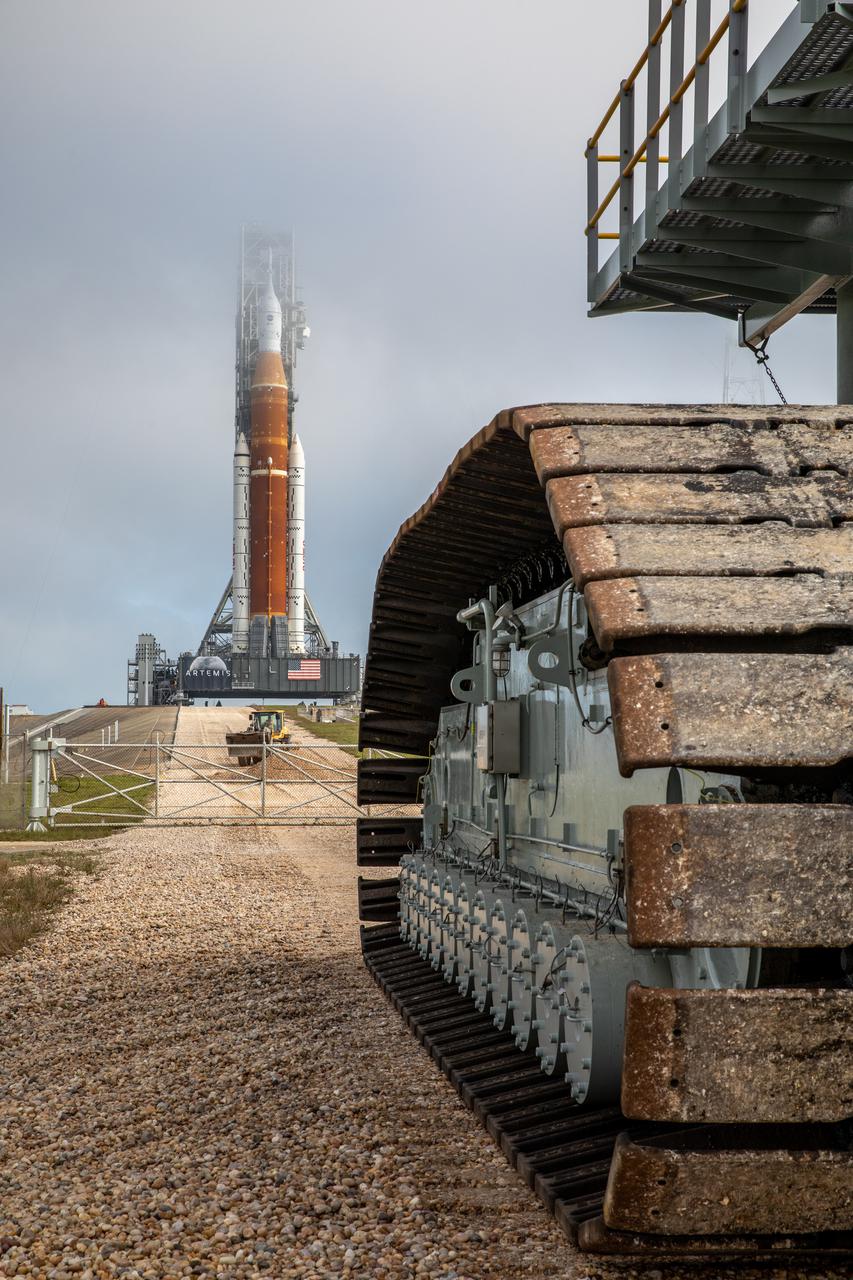
Much of Kennedy Space Center's critical infrastructure dates back to the Apollo program of the 1960s. Roads, electrical systems, and gas pipelines built during that era were never designed to handle the weight and frequency of today's super-heavy rocket transportation.
The report highlights several key bottlenecks:
- Aging roadways: 231 miles of road, much of it paved in the 1960s, weren't built for the weight and frequency of super-heavy rocket stage transportation
- Nitrogen supply shortages: Over 40 miles of gaseous nitrogen and helium pipelines cannot support high-flow operations from multiple users simultaneously
- Electrical grid strain: Shared power distribution systems face increasing pressure
Nitrogen Crisis Threatens Artemis Scheduling
One of the report's most alarming findings concerns nitrogen supply. It states explicitly: "Kennedy will be unable to provide GN2 for future Space Launch System launches for Artemis from LC-39B while simultaneously supporting Blue Origin's New Glenn launch vehicle launching from Space Launch Complex-36 at CCSFS."
This could result in one- to two-month blackout periods of nitrogen availability during future SLS launches, directly impacting Artemis mission timelines.
Commercial Competition for Limited Resources
SpaceX, Blue Origin, and United Launch Alliance are all competing for finite launch resources. SpaceX is building a Starship launch tower at LC-39A and hopes to begin Starship launches before year's end, projecting up to 44 launches annually from Kennedy Space Center plus an additional 76 from SLC-37 at Cape Canaveral.
Blue Origin's New Glenn rocket, despite suffering an explosion during a January fueling test that severely damaged SLC-36, has told NASA the pad alone may not provide sufficient long-term capacity. The company has already been forced to delay launches due to these constraints.
The $1 Billion Funding Gap
NASA estimates completing all necessary upgrades will cost at least $1 billion, but only $250 million was provided through last year's appropriations bill. The report notes "significant statutory funding barriers" prevent the agency from receiving money directly from commercial partners for infrastructure use.
Currently, any commercial investment in NASA's infrastructure is deducted from the agency's budget appropriation—a situation that violates the Antideficiency Act, which prohibits spending federal funds without Congressional approval.
Inspector General Recommendations
The report proposes three key actions:
- Assess road degradation: Evaluate damage caused by increased heavy-lift rocket transportation and develop mitigation strategies
- Prioritize common-use infrastructure: Allocate available funds for maintenance of roads, electrical distribution, and gas pipelines
- Explore alternative funding: Evaluate commercial partnership policies to establish an "Other Approved Indirect Rate" for infrastructure upgrades
The report concludes: "While NASA's goal is to renew—replace, repair, or upgrade—its infrastructure every 66 years, the current renewal rate, based on the available budget, is over 260 years."
Source
Original article: https://www.space.com/space-exploration/artemis/nasas-aging-infrastructure-cant-handle-artemis-launches-without-usd1-billion-in-upgrades-watchdog-warns